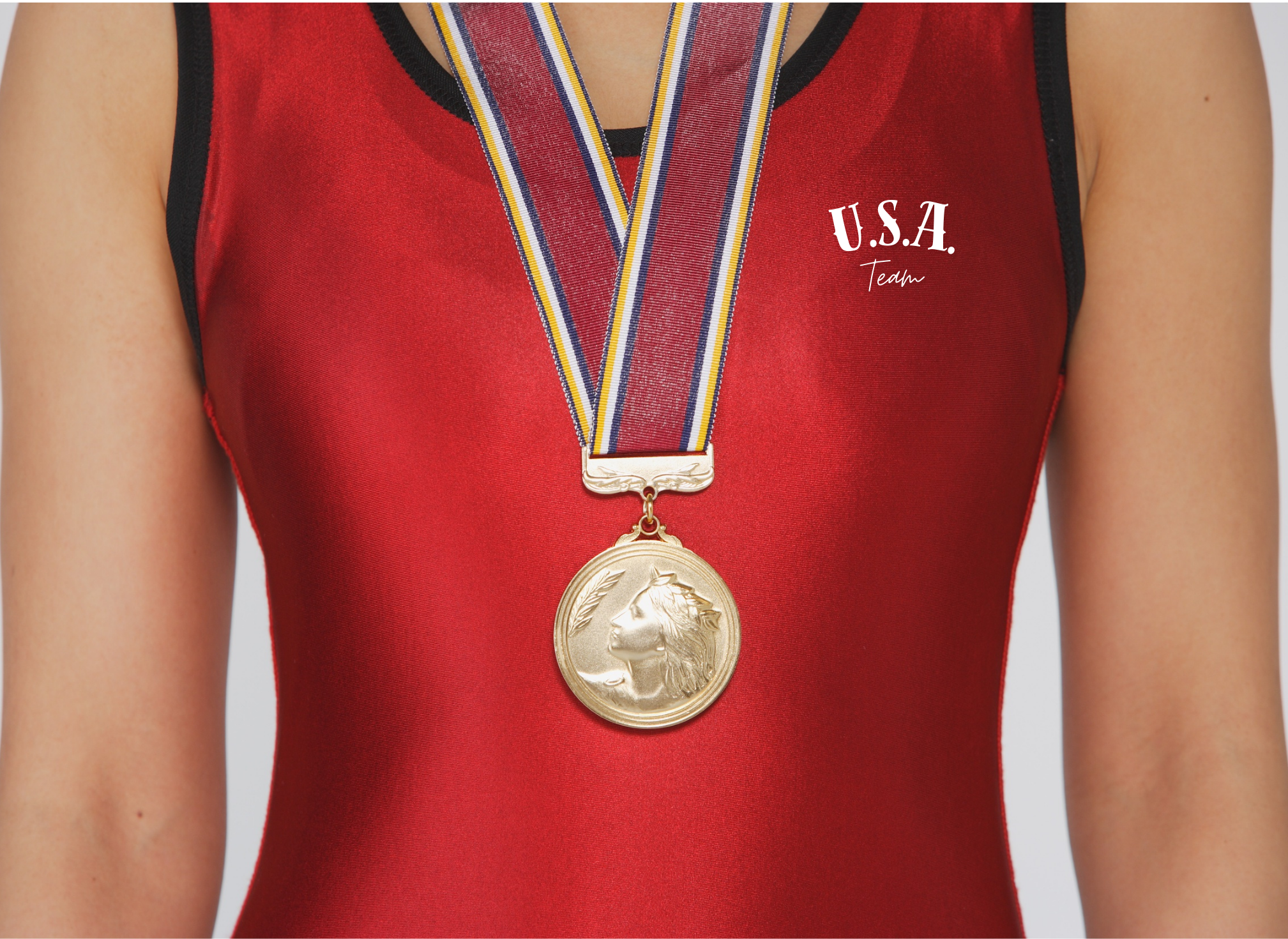
Some people wake up in the morning feeling calm, centered, and ready to embrace the day.
I wake up and immediately begin my emotional decathlon.
Not every day, of course…but enough days that I’ve started mentally awarding myself medals.
Because if mood swings were an Olympic sport?
I’d be standing on the podium in a sparkly tracksuit, waving to the crowd as the national anthem of Hormonal Nation played in the background.
Mood swings hit different in perimenopause.
This isn’t the teenage variety where you slammed your bedroom door because someone said “Good morning” wrong.
This is… refined chaos.
A delicate blend of:
- hormonal rollercoaster
- cortisol spikes
- sleep deprivation
- identity shifts
- emotional backlog
- and being utterly DONE with everyone’s BS.
One minute I’m fine.
The next minute, I’m thinking about the meaning of life.
The next minute, I’m crying because someone was kind to me in a grocery store.
The next minute, I’m rage-cleaning my kitchen like I’m possessed by a very organized demon.
It’s not instability.
It’s hormonal multitasking.
The Midlife Mood Swing Olympics (Event Lineup)
Event 1: The 100-Meter Sprint from Calm to Crying
Triggers may include:
- commercials with dogs
- a sad memory
- a happy memory
- absolutely nothing
- someone asking, “What’s wrong?”
Gold medal guaranteed.
Event 2: The Vault of Irrational Rage
This one is sudden, acrobatic, and shocking even to me.
Something as simple as a loved one breathing too loudly can launch me into orbit.
No one is safe.
Not even me.
Event 3: Synchronized Overthinking
This event requires stamina.
Competitors must replay one mildly awkward interaction from six years ago while simultaneously imagining twelve catastrophic future scenarios.
Bonus points for losing sleep over it.
Event 4: The Freestyle Emotional Wave
Picture this:
You’re sitting in your car, minding your business, and suddenly… tears.
Not sad tears.
Not happy tears.
Just… moisture with feelings.
Artistic score: 9.8 out of 10.
Event 5: The High-Stakes “Is It Hormones or Is It Me?” Debate
Spoiler: it’s hormones.
It’s always hormones.
Even when it’s not hormones, it’s hormones.
Event 6: The Endurance Test of Holding It Together in Public
Ah, yes, the ultimate challenge.
Maintaining composure in meetings, conversations, social gatherings, or any situation where bursting into tears would be considered “unexpected.”
This event is where legends are made.
But let’s get honest: mood swings aren’t madness. They’re messages.
Your emotions aren’t misbehaving.
They’re not “too much.”
They’re not evidence that you’re losing control.
They are signals.
Hormonal shifts affect:
- serotonin
- dopamine
- GABA
- cortisol
- sleep cycles
- temperature regulation
- nervous system response
In plain English:
Your brain is receiving inconsistent instructions from your hormones and doing its absolute best to keep up.
Your emotional swings are not a personality flaw.
They’re biology.
Why mood swings feel so intense in midlife:
1. Estrogen drops lead to increases in emotional sensitivity.
Think of estrogen as your emotional shock absorber.
When it dips?
Everything hits harder.
2. Progesterone declines lead to anxiety rising.
Progesterone is calming.
When it leaves…your nerves get louder.
3. Sleep disruption leads to no buffer.
When you’re tired, every emotion shows up wearing combat boots.
4. The invisible load gets heavier.
A heavier mind feels emotions more deeply.
5. You’re changing, and change is emotional.
Identity + hormones = a whole emotional sh*t-storm system.
None of this makes you weak.
It makes you human.
So how do we cope without losing ourselves or our sanity?
1. Don’t judge the swings.
Self-blame makes everything bigger.
Grace shrinks the intensity.
2. Label the feeling.
“I am overwhelmed.”
“I am tired.”
“I am triggered.”
“I am overstimulated.”
“I am hormonal.”
Naming it calms your nervous system.
3. Take micro-pauses.
Five deep breaths.
A short walk.
A moment alone.
Silence in the bathroom with the door locked.
It all counts.
4. Lower the bar when you need to.
You don’t need to perform emotional perfection.
You just need to get through today.
5. Laugh when you can.
Humor isn’t denial.
It’s oxygen.
A gentle truth: You are not “too emotional.” You are responding to a season that is emotionally complex.
Midlife is big.
Hormones are loud.
Responsibilities are heavy.
Identity is shifting.
Sleep is questionable.
Of course, your feelings feel…feelings-y.
You’re not unstable. You’re recalibrating.
You’re not weak. You’re adapting.
You’re not losing control. You’re gaining clarity.
Mood swings don’t make you broken. They make you honest.
And honestly?
We’re doing beautifully.